Snorkeling at the Cap Cana end of Punta Cana, seen from Andara
Snorkeling near Andara means a boat or a cenote more than a beach towel: Juanillo Beach, about 10 minutes away by car, is calm and shallow, sheltered by a reef offshore, so the coral is reached on short boat trips from Marina Cap Cana, while Hoyo Azul, a spring-fed pool about 45 feet deep inside a Cap Cana park, offers clear fresh water with no boat at all. This page covers what each choice shows you, what the marine sanctuary's rules ask, which months suit the water and how it all fits an Andara residence.
Where can you snorkel near Andara in Cap Cana?
Three kinds of water lie within about five miles of Andara, and each suits a different morning. Juanillo, the beach inside Cap Cana that the development lists at about 10 minutes by car, is the easy one: shallow, calm and good for a first look through a mask. The coral itself is further out, along a barrier reef that the Ministry of Environment's 2024 plan for the Southeast Reefs Marine Sanctuary places on this stretch of coast, and the practical way to reach it is a boat from Marina Cap Cana, about 4.3 miles from Andara by road. The third is fresh water: Hoyo Azul, a cenote inside Scape Park, about 5.0 miles away.
This end of the coast differs from the Bávaro side in one useful way: everything is close, so a snorkel outing fits between breakfast and lunch rather than filling a day. The longer island days, Saona and Catalina, start with a drive west and are covered in this site's Saona guide; this page stays within Cap Cana.
What does a mask show you at Juanillo?
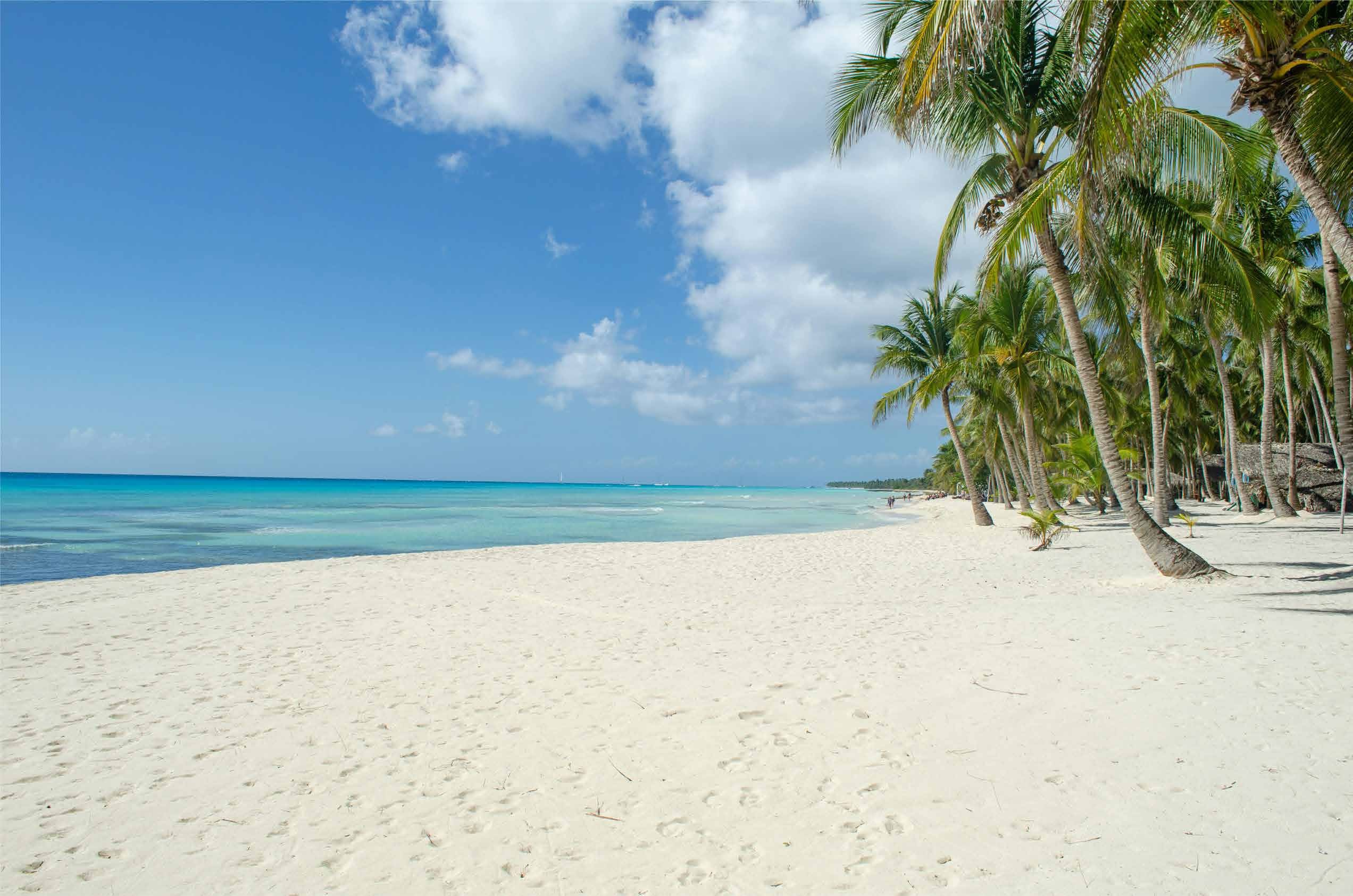
Mostly a quiet lagoon. Travel guides describe the sea at Juanillo as calm and shallow for a long way out, better for wading and floating than for distance swimming, and the sanctuary plan's account of this coast suggests why: a barrier reef runs along part of the Cap Cana and Punta Cana coast, and behind its crest, where the swell breaks, lies a wide sandy lagoon with seagrass patches and small patch reefs. The sand under your feet is largely made by that reef, since no significant river reaches this shore.
So set the expectation before the children put their masks on. A swim off Juanillo is a gentle introduction over sand and seagrass, with the chance of a small patch of reef, not a coral garden; the coral is out where the waves break, and the sensible way there is with a crew who know where to stop, not a long swim across the lagoon. Canada's travel advice for the whole country warns that coastal waters can be dangerous and that rescue services do not always meet Canadian standards, so even here keep children within reach and wear a vest if you plan to float for long.
Which boat trips from Marina Cap Cana stop at a reef?
The reef is a short trip by sea. Private boats at Marina Cap Cana, about 11 minutes from Andara by road, sell half-day outings along the Cap Cana shore, and one listing on a booking site shows the usual pattern: a 25-foot yacht for up to four people or a 40-foot yacht for up to eight, a run along the coast to Buccaneers Reef to swim and snorkel among sergeant majors and blue tangs, then a stop at a natural pool where a shallow sandbar keeps the water calm and about waist-deep. The trip runs from 2 to 4 hours with drinks, snacks and crew included. Another listing, a private snorkel charter boarding at the same marina for up to five guests with snorkel gear aboard, adds young rays and parrotfish over shallow reef ledges, calls the Juanillo sandbar a seasonal shoal and recommends the early morning, before the midday sea breeze; in October 2026 it was listed from $680.
Before you pay, settle the practical points: the reef the boat is heading for, the time you will spend in the water, whether there are vests and child-sized masks aboard, and the rule if the weather keeps boats in port. The first listing is subject to weather, refunds in full if you cancel up to a day ahead, asks that children be supervised by an adult over 18, and says it does not suit expectant mothers or guests with back, heart or breathing problems. Conditions like these are worth reading on any listing before you book.
Can you swim and snorkel at Hoyo Azul?
Cap Cana's other water is fresh. Hoyo Azul is a cenote, a pool at the foot of a limestone cliff about 246 feet tall, inside Scape Park, the community's adventure park, about 5.0 miles from Andara by road and about 14 minutes by car. The tourism ministry gives its depth as about 45 feet and describes the way in: a suspension bridge, then a forest trail past an orchid garden, and at the end a choice between jumping in and taking the steps down. A hotel group's guide describes cold, turquoise water fed by natural springs and a walk of about half an hour, and travel accounts mention lockers and life jackets at the water's edge for swimming or snorkelling.
It is a different hour from the reef, and a useful one: no waves and no boat, which suits nervous swimmers and children in vests. Entry comes with a ticket to the park, so check the current price and opening hours with the park itself before you go, and treat the pool with the same manners as the reef: take nothing and leave nothing.
What do the sanctuary's rules ask of a snorkeler?
The reef off Cap Cana is protected water. It belongs to the Southeast Reefs Marine Sanctuary, declared in 2009 by Decree 571-09, which takes in about 3,000 square miles of sea between the Mona Passage and the coast near San Pedro de Macorís. What that means in the water is set out in the Ministry of Environment's 2024 management plan. Across most of the reef, tourist diving is allowed so long as it comes with an explanation of how fragile the reef is, and a site used for diving is not to be fished. A few places are closed to visitors altogether: the plan reserves strict conservation areas, marked and used only for research, and Cap Cana's elkhorn coral conservation areas are on that list. Under rules adopted in 2017 for the sanctuary's ecotourism strip off Punta Cana, parrotfish, sharks and turtles are protected and spearfishing is restricted.
Local work sits behind the rules. On 16 February 2023, at Marina Cap Cana, the Cap Cana Foundation and the national fisheries council signed an agreement to improve the reefs: to link Juanillo's small-boat fishermen with the foundation's coral projects, and to mark out fishing and no-fishing areas under the sanctuary's plan. The foundation said then that it had been planting coral for several years. For a snorkeler it all comes down to a few habits:
- look without touching: no hand on the coral, no fin on the bottom;
- no food for the fish, bread included;
- nothing living taken home, occupied shells included;
- a buoyancy vest, so you rest on the surface instead of finning beside the reef.
When is the water warm and calm near Cap Cana?
The sea here is warm all year, and the wind decides more snorkel days than the temperature does. Modelled long-run averages put the water at about 79°F in February and March and about 84°F in September and October. The windier half of the year runs from about mid-November to early May, with December the windiest month on average, and the calmer half from early May to mid-November, with October the calmest; average wind speed runs from about 10 mph in October to about 13 mph in December. Within any day, go early, before the breeze picks up.
The calm months are also hurricane season, which runs from June 1 to November 30, and even a dry month can keep small boats in port: on 15 March 2026 the emergency operations centre, acting on a warning of rising swell and strong winds, ordered small, medium and fragile vessels to stay in port along the Caribbean coast from Saona Island to Cabo Engaño, a stretch that takes in Cap Cana. Published accounts of seaweed at Juanillo disagree, so look at recent photographs of the beach before you build a day around it, and keep a spare morning in your plans.
| Months | Average sea temperature | Wind |
|---|---|---|
| December to February | 79–81°F | Windier half of the year; December windiest on average |
| March to May | 79–81°F | Windier half until early May |
| June to August | 82–83°F | Calmer half of the year; hurricane season from June 1 |
| September to November | 83–84°F | Calmer until mid-November; October calmest on average |
How does snorkeling fit an Andara residence?
Andara is a planned community of 175 residences on the Las Iguanas golf course inside Cap Cana, from $280,600, with delivery scheduled for Q4 2028, and its water at home is its pools: 7 of them, among them an adults-only rooftop infinity pool. The sea is close but not at the door, and that shapes how an owner snorkels. Juanillo is about 10 minutes away for an easy swim, Marina Cap Cana about 11 for a boat to the reef, and Hoyo Azul about 14 for the cenote, so a whole snorkel morning ends in time for lunch by the pool.
What owning changes is timing. A visitor takes whatever weather the week brings; an owner can watch the wind, pick the calm morning and go then. Keep your own mask, a long-sleeved rash guard and a vest at the residence; of the three, a mask that seals properly on your face matters most. If you let the residence, leave guests a short brief: go early, the points to settle before boarding, the reef habits and the cenote's ticket. These are Cap Cana's waters, not amenities of the development: the reef is a sanctuary's, and the beach belongs to everyone who comes to it.
Common questions
- Can you snorkel from the beach at Juanillo?
- Gently. Juanillo, about 10 minutes from Andara by car, is calm and shallow behind a barrier reef, so a mask there shows sand and seagrass more than coral. The reef itself is reached by boat: private trips from Marina Cap Cana stop at a reef and at a sandbar pool.
- Where do snorkel boats leave from in Cap Cana?
- From Marina Cap Cana, about 4.3 miles from Andara by road. One listing describes a private yacht trip of 2 to 4 hours along the Cap Cana coast to Buccaneers Reef, then a natural pool where a sandbar keeps the water about waist-deep.
- Can you snorkel at Hoyo Azul?
- Travel accounts mention life jackets and lockers at the water's edge for swimming or snorkelling. Hoyo Azul is a spring-fed cenote about 45 feet deep inside Scape Park in Cap Cana, reached over a suspension bridge and a forest trail, and entry comes with a park ticket.
- Is the reef off Cap Cana protected?
- Yes. It lies inside the Southeast Reefs Marine Sanctuary, created in 2009, and the Ministry of Environment's 2024 plan sets aside marked elkhorn coral conservation areas in Cap Cana for research only. Rules adopted in 2017 off Punta Cana protect parrotfish, sharks and turtles.
- What is the best time of year to snorkel near Cap Cana?
- The calmer half of the year runs from early May to mid-November, with October the calmest month on average and the sea near 84°F, but those months are also hurricane season. Winter brings more wind and water nearer 79°F. In any month, go in the morning.
Want the details for your own situation?
Ask about availability, layouts or the buying process, and someone from the sales team will get back to you.
Get in touch