Surfing lessons in Punta Cana: why you learn at Macao, and how it works from Andara
Cap Cana is a coast for swimming and boats rather than waves: its beaches sit in sheltered water, which is exactly why people buy there. So when an owner at Andara or a visiting teenager wants to learn to surf, the lesson happens elsewhere, almost always at Macao, about 29 miles north by road. This guide explains why, what a typical lesson looks like, which months suit a beginner, and what to ask before you book.
Why lessons happen at Macao, not in Cap Cana
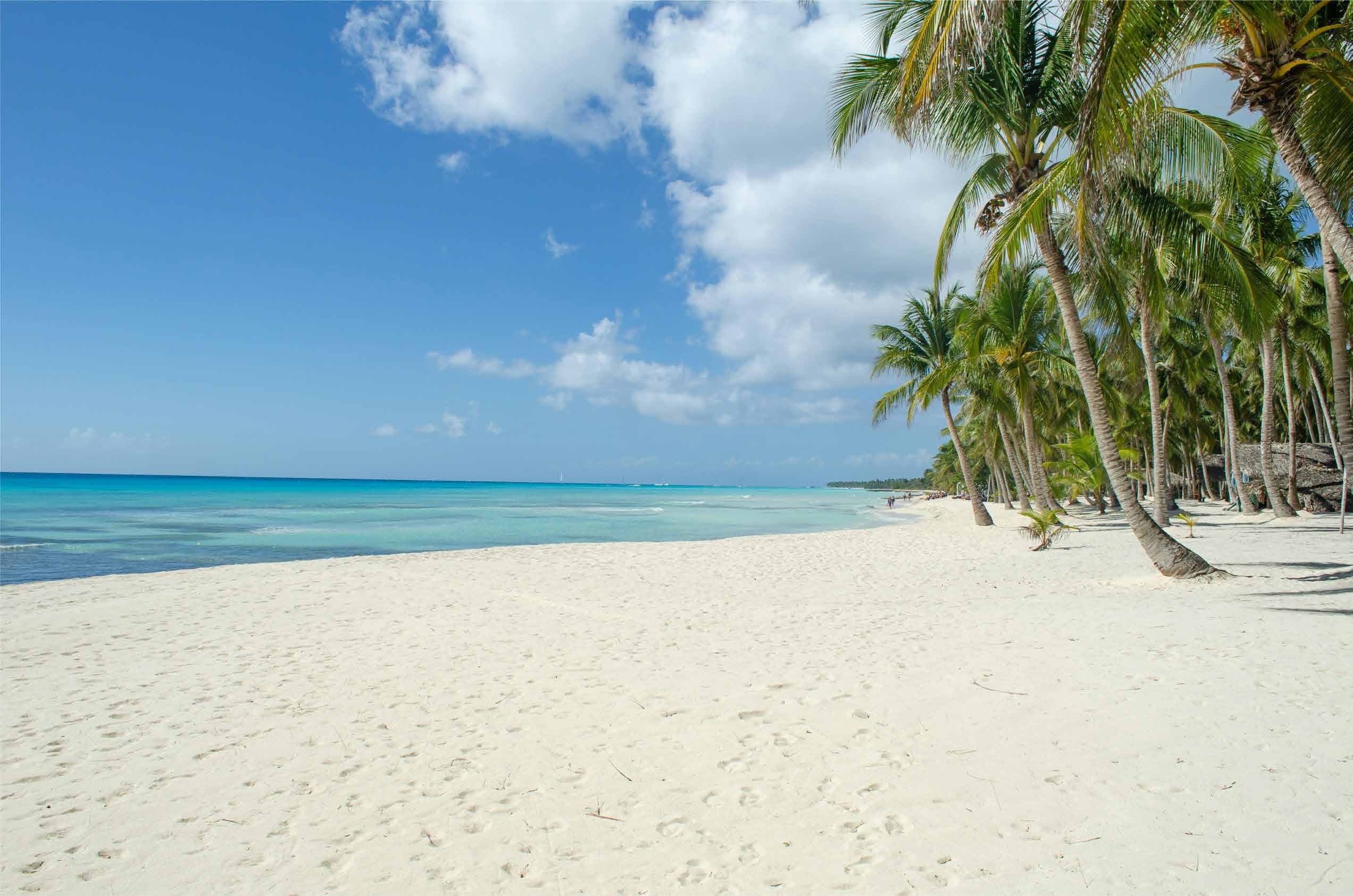
Surfing needs a beach that catches swell, and the Cap Cana shore is shaped to avoid it. Macao is different. A surf-forecasting site describes it as an exposed beach break with fairly consistent surf and waves breaking both left and right, and it is a public beach: the tourism ministry calls Macao the principal public beach of the Punta Cana to Uvero Alto coast, with no entrance fee, reached by a public road and car park rather than through a hotel.
That openness has a rhythm worth knowing. Buggy and ATV excursions from the resort strip use Macao as their beach stop, so the middle of the day is the busiest, and Sunday is when Dominican families fill the sand. Morning lessons usually miss both.
What a beginner's lesson looks like
Formats vary by school, but booking listings for group lessons at Macao describe a common shape:
- Length: about 2 hours, split into two sessions with a break for water or fruit.
- Group size: one instructor shared between two or three students.
- Age: a minimum of 4, with under-18s accompanied by an adult on private lessons.
- Included: use of a board and a rash guard, and hotel pickup where offered.
One condition is not negotiable: listings require every participant to be able to swim, because the lesson takes place in the open ocean. A camp listed on the tourism ministry's visitor site opens every day from 9 a.m. to 6 p.m., which leaves room for an early session before the midday crowds.
Which months bring which waves
The same forecasting site says Macao works best on a swell from the north with offshore wind from the southwest. North swells are a winter feature: a Punta Cana tour operator puts the season for bigger waves from October through March, when Atlantic systems send swell towards the island. That is when confident surfers get the best days, and when a first lesson can feel like a lot of water.
For beginners, the quieter months can be the better ones. A local surf blog notes that July, August and September tend to bring plenty of days with small, gentle waves, and the forecasting site adds that small days can suit beginners and children. The water helps too: the modelled average sea temperature off Punta Cana runs from about 79 F in February and March to 84 F in September and October, so nobody needs a thick wetsuit to learn here.
What to check before you book
Ask a school four things before you pay. First, who is teaching: some instructors hold a coaching certificate from the International Surfing Association, and it is a fair question to ask. Second, the group size on the day, since two or three students per instructor is a listing, not a rule. Third, what happens if the sea is too big or too flat, and whether the lesson moves or is refunded. Fourth, whether the pickup reaches Cap Cana or only the Bávaro hotel strip.
Bring reef-safe sun protection and plan for food: a row of open-air places near the eastern entrance to Macao serves grilled and fried fish for around $10 a plate, and several take cash only. If you own your own board, Dominican customs treats sports equipment for personal use, surfboards included, as personal luggage.
Making it work from Andara
Andara is planned as 175 residences in Cap Cana, with seven pools and delivery projected for Q4 2028, and it sits on calm-water coast. That makes the surf day an outing: about 29 miles north by road to Macao and back, best started early so the lesson lands in the quieter morning hours. For a family, the pattern that works is simple. Surf in the north in the morning, swim at home in the afternoon.
For an owner who rents the residence out, it is also a useful line in the welcome notes: guests who want waves should know before they arrive that the lessons are a drive away, and that the best months for a first lesson are not always the winter weeks they booked.
Common questions
- Where can you take surfing lessons in Punta Cana?
- Mostly at Macao, a public beach break north of the Bávaro resort strip. From Andara in Cap Cana it is about 29 miles by road, because the Cap Cana beaches sit in sheltered water with few waves.
- How long is a surf lesson at Macao?
- Booking listings describe group lessons of about 2 hours, split into two sessions with a break, with two or three students per instructor. Private and multi-day formats are also offered; check the details with the school.
- What is the best time of year to learn to surf in Punta Cana?
- Bigger waves tend to come from October through March with north swells. For a first lesson, July to September often brings smaller, gentler days, and the sea stays warm all year, at about 79 F to 84 F on average.
- Do you need to know how to swim for a surf lesson?
- Yes. Lesson listings at Macao require every participant to be able to swim, because the lesson takes place in the open ocean. Group lessons list a minimum age of 4.
Want the details for your own situation?
Ask about availability, layouts or the buying process, and someone from the sales team will get back to you.
Get in touch